Searcy County, Arkansas map
USDA SUBSIDY DATA · 2024 · EWG / FOIA

USDA Subsidy Payments in Searcy County, Arkansas

Searcy County received $661,145 in farm subsidies (2024).

Searcy County at a Glance
Agricultural Producers
N/A
Top Commodities
N/A
USDA Payments
$661,145
Subsidy Recipients
376
Land Value?
N/A
Cropland Rent?
N/A
22 USDA programs currently accepting applications. Find programs for your farm →
376 farmers in Searcy County received $661,145 in 2024
Average payment: $1,758 per recipient
Program Breakdown — Searcy County

Searcy County, Arkansas received $661,145 in total farm subsidies (2024).

Disaster Payments $190,009
Crop Insurance Subsidies $235,568
Total $661,145
Top Recipients — Searcy County (376 total)

Businesses shown by full name; individuals shown by initials (FOIA/EWG data).

1. F.C. — Everton, AR 72633
$13,192
2. K.H. — Pindall, AR 72669
$12,648
3. B.G. — Saint Joe, AR 72675
$12,108
4. L.B.G. — Marshall, AR 72650
$10,529
5. J.F.S. — Everton, AR 72633
$10,516
6. M.T. — Marshall, AR 72650
$8,290
7. G.H. — Marshall, AR 72650
$7,687
8. R.C.C. — Witts Springs, AR 72686
$4,746
9. B.A. — Saint Joe, AR 72675
$4,070
10. D.W. — Harriet, AR 72639
$2,833
11. B.M. — Everton, AR 72633
$2,601
12. K.R.C. — Marshall, AR 72650
$2,020
13. Hubbard Land & Cattle LLC — Marshall, AR 72650
$1,983
14. K.C. — Harrison, AR 72601
$1,927
15. L.B. — Marshall, AR 72650
$1,827
16. W.H. — Marshall, AR 72650
$1,786
17. J.J.H. — Marshall, AR 72650
$1,733
18. S.H. — Marshall, AR 72650
$1,637
19. S.C. — Leslie, AR 72645
$1,523
20. R.S.G.J. — Saint Joe, AR 72675
$1,433
🔒 Subscribe to see full numbers — Free daily USDA data for your farm. Subscribe Free
How to Apply — Open Programs

These USDA programs are currently accepting applications. Visit your local NRCS/FSA office to get started.

ARC-CO (Agriculture Risk Coverage — County) FSA

Provides revenue loss protection when actual county crop revenue drops below a benchmark. Payment is automatic once enrolled — no claim needed.

Value: $8–$75/acre depending on crop and county revenue shortfall
Complexity: Low — sign election at FSA, 15 minutes
Where: Your local FSA office
Bring:
  • Photo ID
  • FSA farm number (FSA will have it on file)
PLC (Price Loss Coverage) FSA

Provides price protection when the national average price for a covered commodity drops below its reference price. Pays on base acres, not planted acres.

Value: $0–$125+/acre depending on how far price drops below reference
Complexity: Low — sign election at FSA, 15 minutes
Where: Your local FSA office
Bring:
  • Photo ID
  • FSA farm number
CRP (Conservation Reserve Program) FSA

Annual rental payments for removing environmentally sensitive land from production and planting conservation cover (grass, trees, buffers). 10-15 year contracts.

Value: $50–$300+/acre/year depending on soil rental rate in your county
Complexity: Medium — FSA evaluates your offer using Environmental Benefits Index
Where: Your local FSA office
Bring:
  • Photo ID
  • FSA farm number
  • Deed or lease for the land
  • Cropping history (last 6 years)
EQIP (Environmental Quality Incentives Program) NRCS

Cost-share payments (typically 50-75%) for conservation practices: cover crops, fencing, water systems, nutrient management, erosion control, and more.

Value: Cost-share typically 50-75% of practice cost (90% for beginning farmers). Payment limits removed for FY2025.
Complexity: Low to apply (2-page form), then NRCS develops conservation plan with you
Where: Your local NRCS office
Bring:
  • Photo ID
  • Deed or lease
  • Description of conservation concerns
CSP (Conservation Stewardship Program) NRCS

Annual payments for maintaining and improving existing conservation practices. If you're already doing cover crops, no-till, or rotational grazing — you may already qualify.

Value: $4,000–$40,000+/year depending on acres and practices (minimum raised from $1,500 to $4,000 in FY2024)
Complexity: Medium — NRCS evaluates your existing conservation and scores it
Where: Your local NRCS office
Bring:
  • Photo ID
  • Deed or lease
  • Description of current conservation practices
Federal Crop Insurance RMA

Government-subsidized crop insurance. The government pays ~60% of your premium. Protects against yield loss, revenue loss, or both.

Value: Premium subsidy saves $5–$30+/acre; coverage at 50-85% of expected revenue
Complexity: Low-Medium — agent handles paperwork, you choose coverage level
Where: Through a private crop insurance agent (not FSA/NRCS)
Bring:
  • Production records (yield history)
  • Acreage information
  • FSA farm/tract numbers
🔒 Subscribe to see full numbers — Free daily USDA data for your farm. Subscribe Free
Farmer Success Stories — Arkansas

Real farmers in Arkansas share how USDA programs helped their operations.

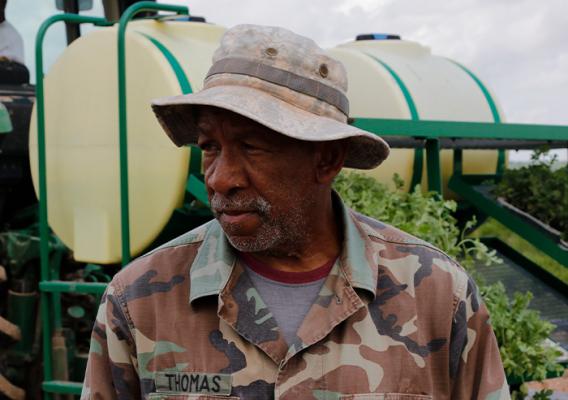
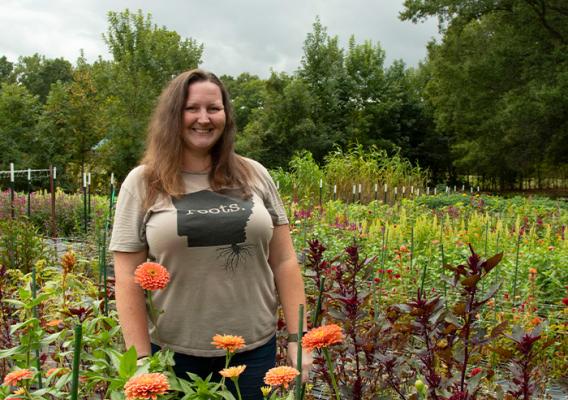
NRCS · Feb 06, 2026
Fridays on the Farm: The Fruits of Service
NRCS · Aug 29, 2025
Fridays on the Farm: Growing Against the Odds
More Success Stories →
🔒 Subscribe to see full numbers — Free daily USDA data for your farm. Subscribe Free
USDA Funding Rank — Searcy County, Arkansas ?
376 subsidy recipients were funded in Searcy County in 2024.
24th
percentile in Arkansas
Ranked 58th of 75 counties · $190,124 total
0th 50th 100th
What this means: Searcy County receives more USDA funding than 24% of counties in Arkansas. This county shows characteristics that could align with additional USDA programs.

Want the full list of every subsidy recipient in Searcy County?

See All Recipients on EWG →

Environmental Working Group publishes full USDA FOIA data.

🔒 Subscribe to see full numbers — Free daily USDA data for your farm. Subscribe Free

Find Programs for Your Farm

See every USDA subsidy, grant, and loan available in Arkansas — with deadlines and how to apply.

Try Subsidy Finder Prep for USDA Visit
← All Arkansas counties  ·  Arkansas Hub

Data Sources

All data is from public federal sources. Updated periodically — verify current details at your local USDA office.

Program information sourced from USDA. Eligibility described here is general guidance only. Confirm at your local FSA or NRCS office. FarmGrant is not affiliated with USDA.